
Ultrasound Guided
Hydrodistension / Hydrodilation
Frozen shoulder, or adhesive capsulitis, is a difficult condition marked by pain, stiffness, and limited movement in the shoulder. Standard treatments such as physiotherapy and corticosteroid injections are often used to relieve symptoms, but more persistent cases may require stronger interventions. One such option is hydrodistension (also known as hydrodilatation), which has gained attention as an effective treatment for people dealing with this condition.
Mechanism of Action
The main issue in frozen shoulder is inflammation and thickening of the joint capsule, leading to adhesions and tightening that restrict movement. Hydrodistension works by physically expanding the capsule, helping to break down these adhesions and improve flexibility and mobility.
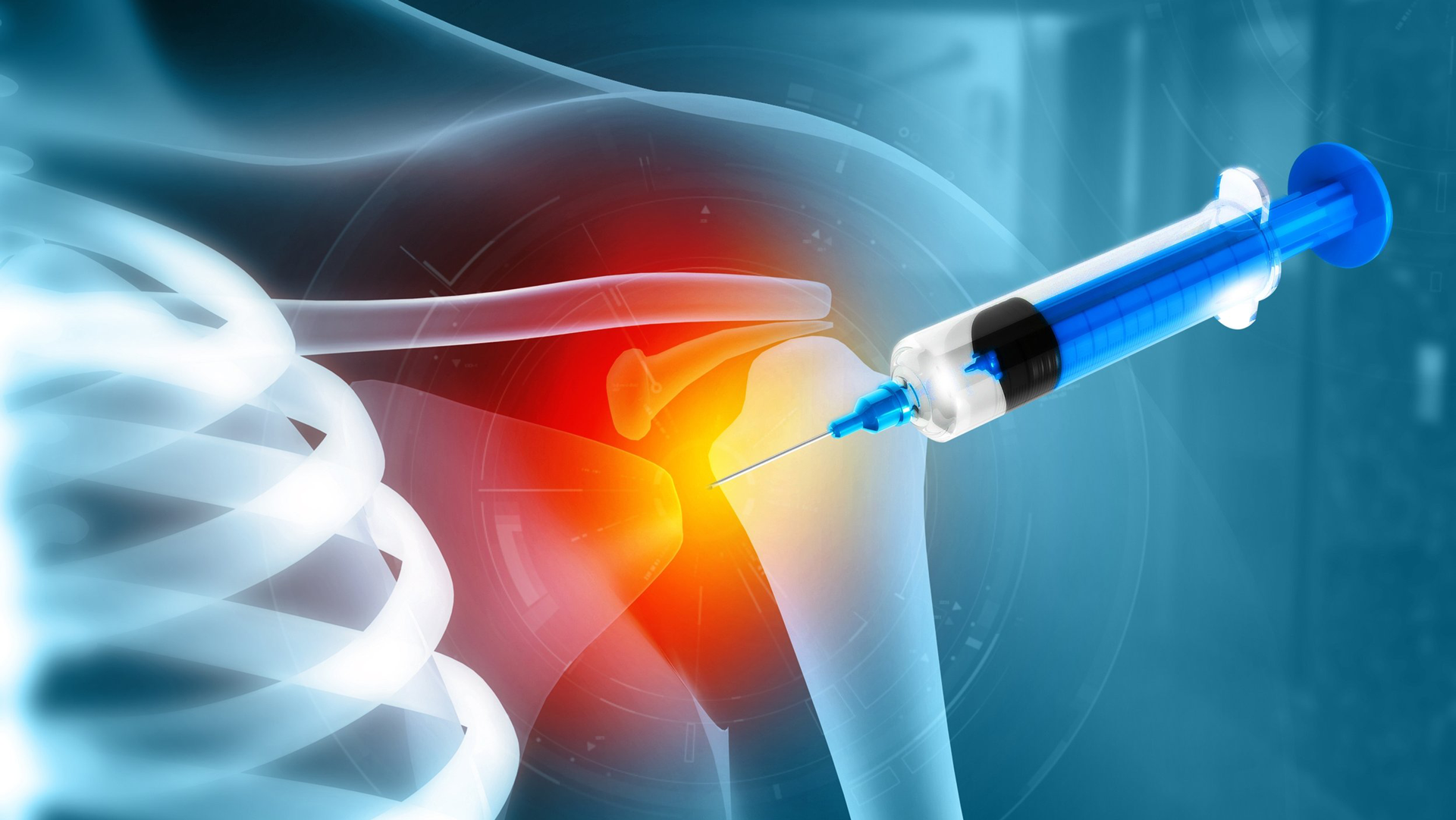
In this procedure, a combination of corticosteroid, a large amount of sterile saline, and a local anaesthetic (such as lidocaine) is injected into the joint capsule using ultrasound guidance. The injected fluid creates pressure that stretches the capsule and surrounding tissues, helping to release adhesions. At the same time, the anaesthetic offers temporary pain relief, making the stretching process more tolerable.
This stretching triggers several beneficial biological responses. It encourages the release of cytokines and growth factors that support tissue repair, increases blood circulation to deliver essential nutrients and oxygen, and helps interrupt the cycle of pain and muscle tension, leading to reduced discomfort and better relaxation.
Benefits of Hydrodistension
Although corticosteroid injections are commonly used to reduce pain and inflammation, they mainly address symptoms rather than the root cause. Hydrodistension offers several key advantages:
Capsule Expansion: It directly stretches the tightened capsule and breaks down adhesions, targeting the source of the problem and improving mobility over time.
Immediate Pain Relief: The inclusion of a local anaesthetic provides quick relief, making movement easier during recovery.
Low Risk: The procedure is minimally invasive and generally has few complications.
Longer-Lasting Results: Unlike steroid injections that may offer only temporary relief, hydrodistension can lead to more sustained improvements by addressing the underlying condition.
Hydrodistension: The Procedure
Patient Preparation: The patient lies comfortably, usually on their back, while the shoulder is exposed and cleaned to reduce infection risk.
Anaesthesia Administration: A local anaesthetic is applied to numb the area, minimising discomfort during the procedure.
Ultrasound Guidance: Ultrasound imaging is used to clearly view the shoulder joint and accurately guide needle placement.
Injection Procedure: A needle is inserted into the joint under ultrasound guidance, and the mixture of corticosteroid, saline, and anaesthetic is injected. This gradually expands the capsule and stretches the tissues.
Post-Procedure Care: Some mild soreness may occur afterward. Ice packs and over-the-counter pain medication can help manage this, and patients are usually advised to avoid intense physical activity for a short period.
Conclusion
Overall, hydrodistension is an effective treatment option for frozen shoulder, offering both immediate relief and the potential for long-term recovery. By stretching the joint capsule and breaking down adhesions, it tackles the root cause of adhesive capsulitis rather than just easing symptoms. When included as part of a broader treatment plan, it can help restore shoulder movement and improve overall quality of life.
PERSONALISED INJECTION THERAPY